
hydroxyapatite: the mineral that remineralises teeth?
Can hydroxyapatite really remineralise and rebuild tooth enamel — and does it match fluoride? An independent apothecary's calm, evidence-based take on what to look for in a toothpaste.
few things in the wellness world get people quite as worked up as fluoride in toothpaste. i understand why — it's the one thing most of us put in our mouths twice a day without ever really choosing to. so let me be straight about where i stand, because it might not be where you'd expect an independent health shop to land: i think fluoride works. it really does strengthen teeth, and the evidence for that is about as settled as science gets. i'm not in the camp that calls it poison. what i care about is the detail — a sensible level, a cleaner formula, and knowing there's now a serious alternative for anyone who'd rather not use it at all.
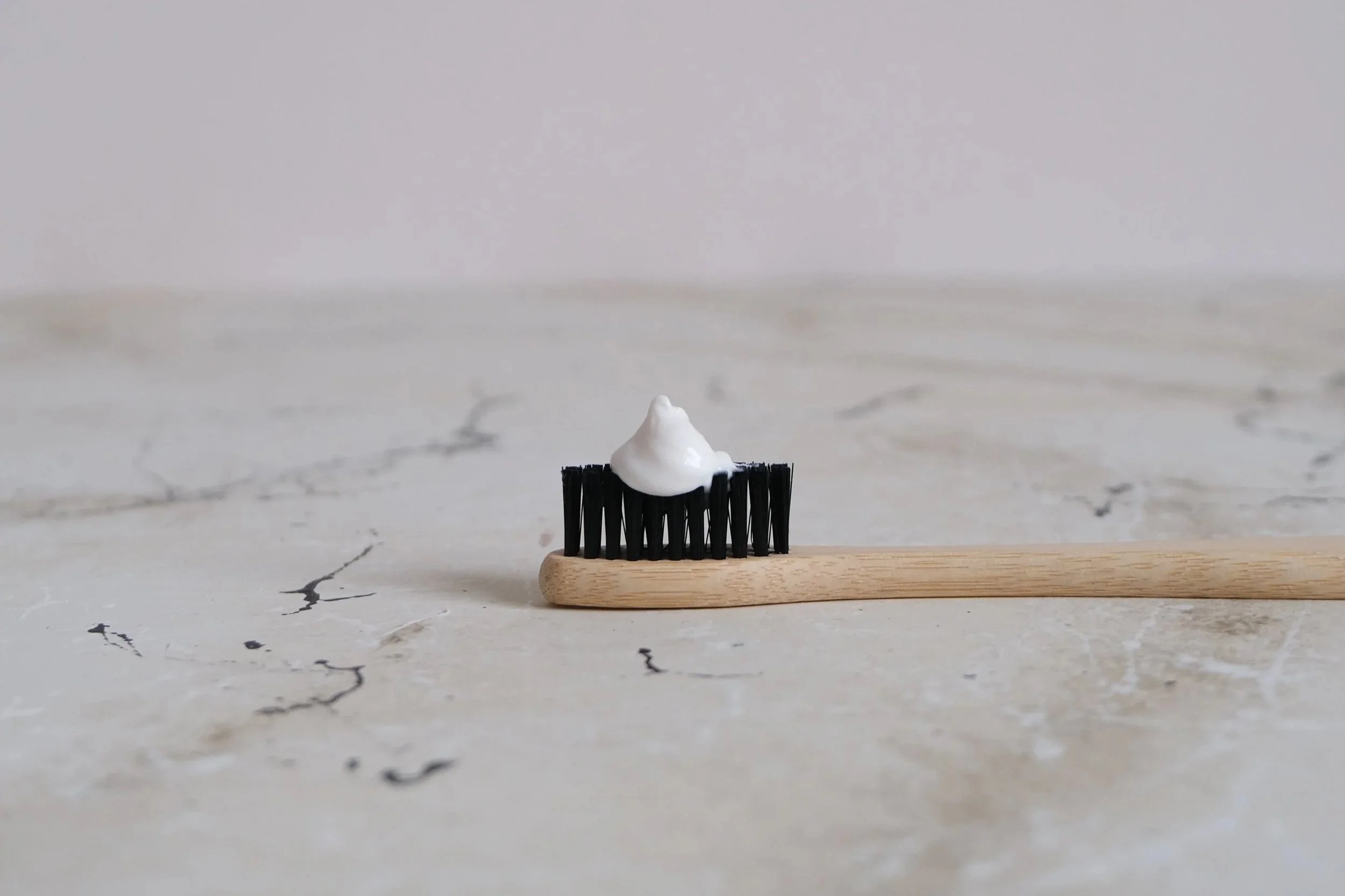
here's what fluoride actually does. every day, acids from food and from the bacteria in your mouth dissolve tiny amounts of mineral out of your enamel. fluoride helps put it back — and puts it back as something a little tougher and more acid-resistant than what was there before. that's the whole trick: a harder surface that copes better with the next round of acid. it has earned its place. my only reservations are the ones you'd expect from us. i'd rather see it at a sensible level, in a paste that hasn't been loaded with sls, artificial sweeteners and the rest of it. that's exactly why we stock georganics — they offer fluoride versions in a clean, pared-back formula, for people who want the protection without everything else that usually rides along with it.
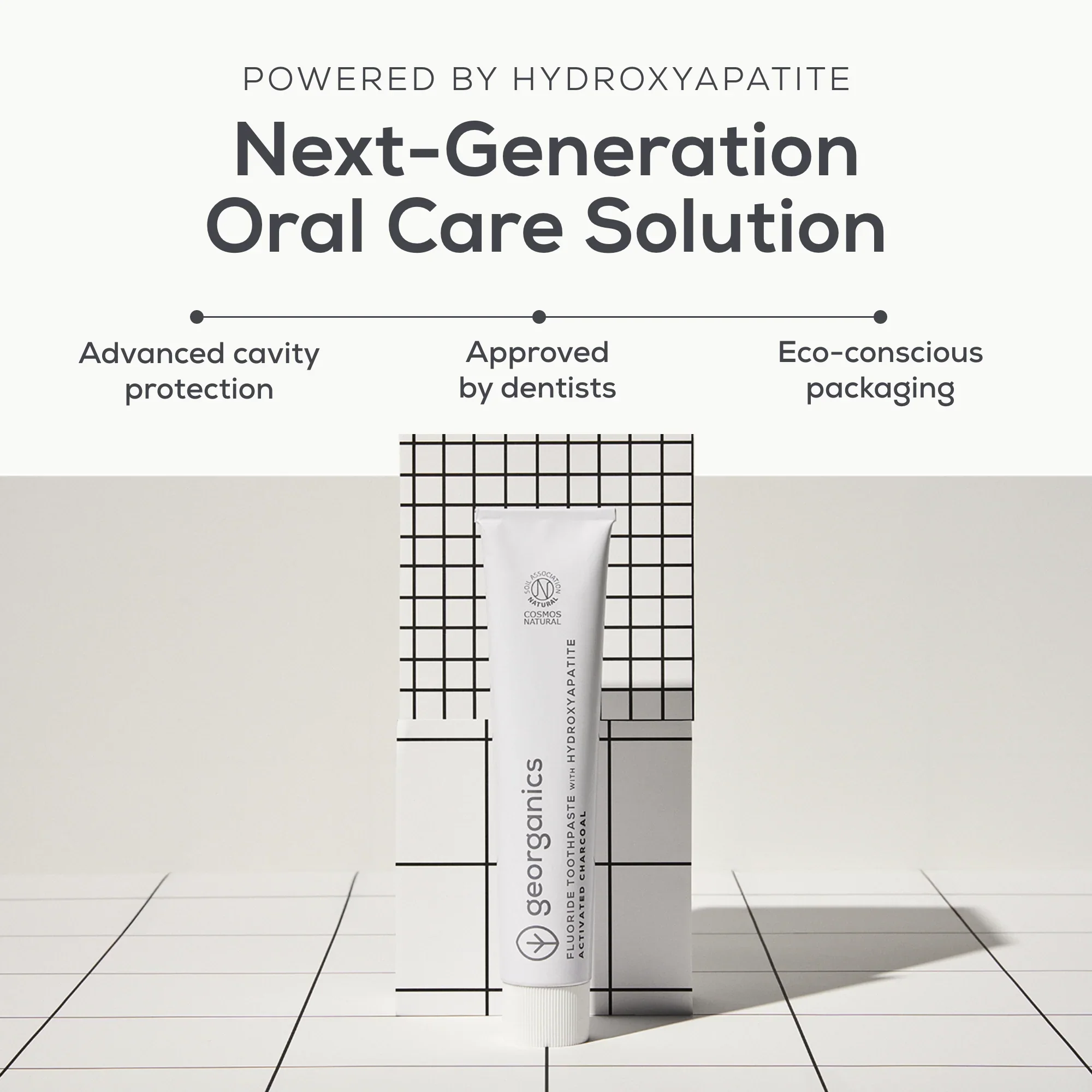
but the reason georganics is worth writing about is the other ingredient on the tube: hydroxyapatite. and this is the part that changed how i think about the whole debate. hydroxyapatite isn't a coating, and it isn't a chemical that reacts with your teeth. it is your teeth — the exact mineral that makes up around 97% of tooth enamel. milled down to microscopic particles and put into a paste, it does something fluoride simply can't: it settles into the micro-cracks and worn patches on the surface and rebuilds enamel with more of the very same material, rather than laying a tougher shell over the top. it also works as a small reservoir of calcium and phosphate, feeding the repair your saliva is already trying to carry out. the idea isn't even new — it was first developed decades ago (the story goes, to help astronauts rebuild the minerals they were losing in space) and has been used in toothpaste in japan since the 1990s.
so does it actually work, or is it just a lovely idea? this is the part that won me over. in head-to-head trials, hydroxyapatite has kept pace with fluoride — one study found it remineralised early enamel damage just as well as a children's fluoride paste, and an eighteen-month trial in adults found it held its own at keeping cavities at bay. its track record isn't as long as fluoride's, and i'd never tell you to overrule your dentist on the strength of a blog post. but it's no longer a fringe idea. it's a real, evidence-backed way to help strengthen enamel — with one honest advantage for families: because it's the same mineral your teeth are already made of, there's no worry if a little gets swallowed, and none of the fluorosis risk that means you have to police exactly how much a small child uses. and that, for me, is where the fluoride debate finally loses its heat. you don't have to pick a side. georganics gives you both — fluoride if you want it, fluoride-free if you don't, and hydroxyapatite doing the real work in either. have a word with your dentist about what suits you, and then pick the tube that fits how you'd like to look after your teeth.
written for general interest, not as dental or medical advice. if you have a specific concern about your teeth or gums, your dentist is the person to ask.