
forest bathing in a bottle: six oils to bring the woods home
Forest bathing — shinrin-yoku — is a Japanese practice shown to lower stress. Here's how six woodland essential oils bring a little of that Haslemere-woods feeling home.
there is a japanese word for something most of us already know in our bodies: shinrin-yoku, or "forest bathing." it isn't a hike and it isn't exercise. it's the simple act of being among trees — walking slowly, breathing, letting the greenery do its work. and it turns out the feeling is measurable. studies have found that time spent in woodland lowers levels of cortisol, the body's main stress hormone, and settles blood pressure and heart rate along with it. a walk in the trees really does calm you down. those of us lucky enough to live here have it on the doorstep — an hour up on blackdown, or through the hangers, and you come back a different shape than you went up.

but you can't always get to the woods. and part of what's happening on that walk is chemical as much as emotional: trees, especially evergreens like pine and cypress, give off airborne compounds called phytoncides — the fresh, resinous smell of a forest is largely them. researchers think these compounds are part of why forest air does us good. the lovely thing is that the very same families of compounds are what we bottle as essential oils. so a few drops in a diffuser on a grey afternoon isn't quite a walk up blackdown — but it carries a real thread of it into the room. here are six we'd reach for to build that woodland feeling at home.
cypress is the smell of a standing forest — dry, green and woody, with none of the sweetness. aromatherapists have long reached for it to feel grounded and steady, and it's traditionally been valued for supporting circulation. if one oil says "deep breath in a clearing," it's this one.
pine — a fresh, reviving scot's pine — is the note most of us picture when we think of woodland at all. it's clean and it lifts the head, and it's been used for generations to ease tired, stuffy breathing. it's also rich in pinene, one of those very phytoncides the trees themselves release, which makes it the heart of any forest blend.
rosemary is the sharp, herbaceous one — the wake-up in the group. "rosemary for remembrance" is centuries old, and it's still the oil people turn to when they want to feel alert and clear-headed; there's even research linking its scent to better concentration. good for a slow morning or a foggy desk.
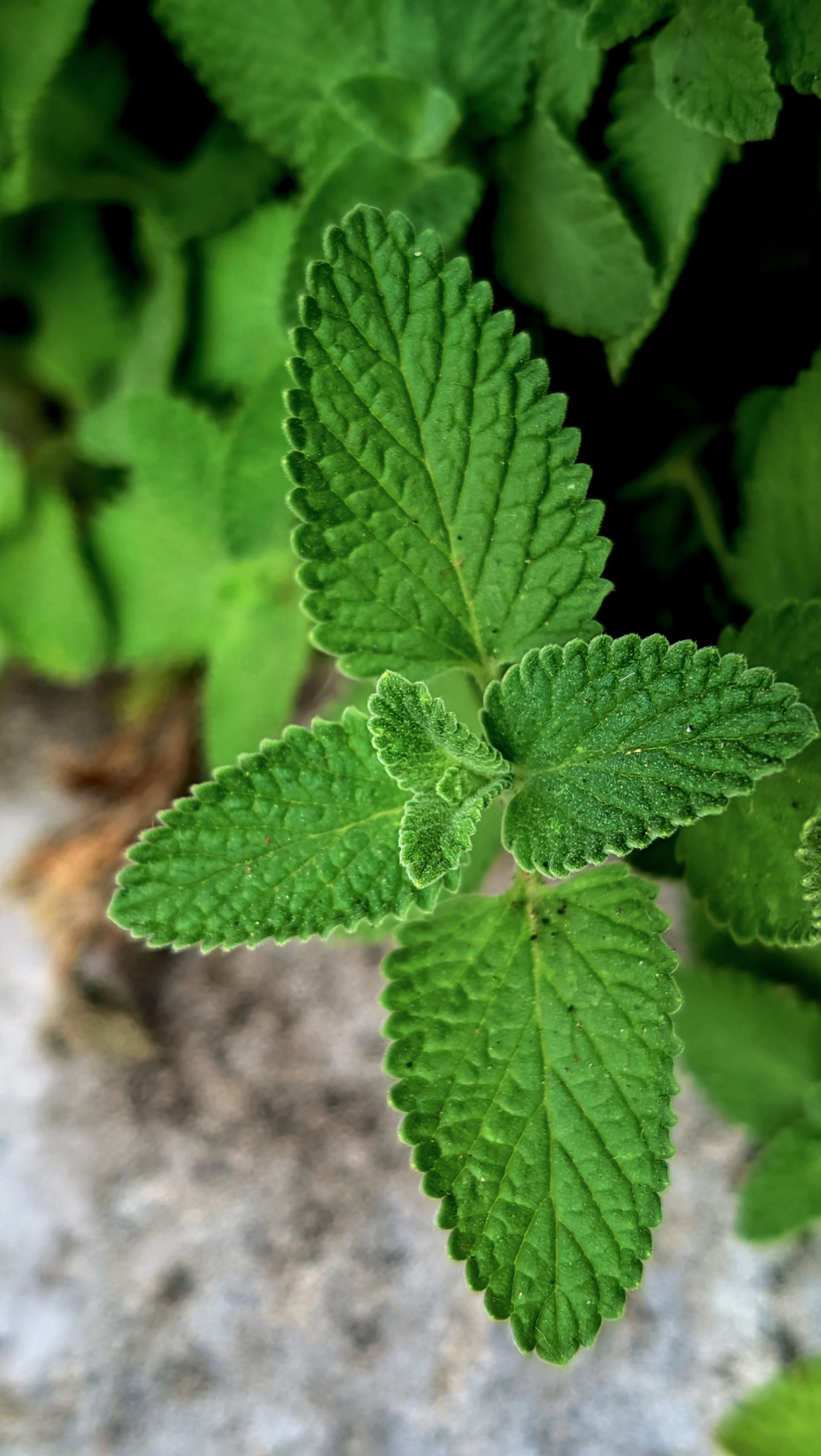
peppermint is cool and clearing in a way you feel almost instantly. a drop or two cuts through a heavy head, eases tension, and brings a bit of focus back — the crisp, bright counterpoint to all the deep woody notes around it.
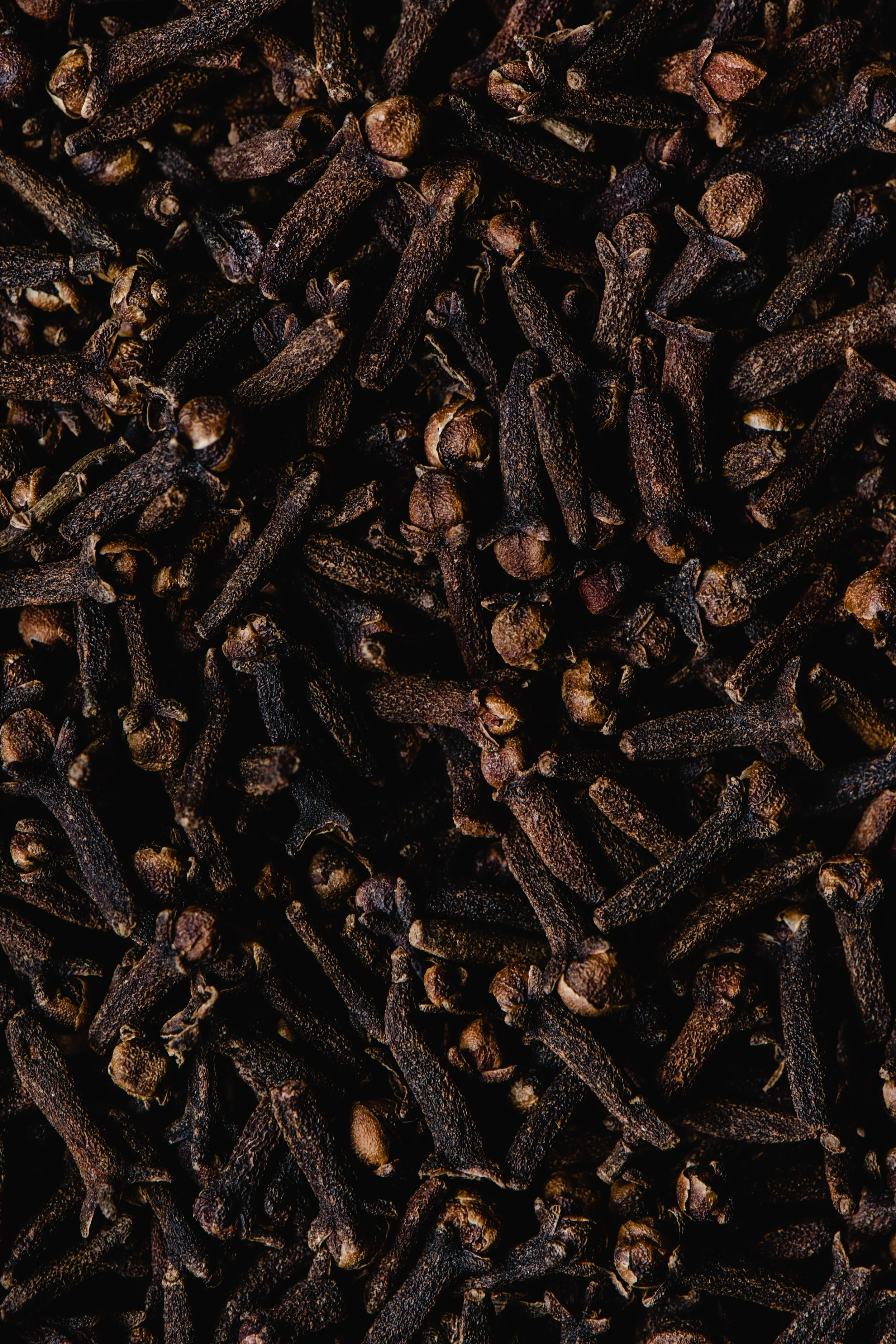
clove is the warm one — spicy, comforting, a little like winter. it's been used in oral care for centuries for its soothing, numbing quality, and it's long valued as a natural cleanser. it's strong, though, so a little goes a long way; always well diluted, and better in the diffuser than on the skin.
juniper berry rounds it off — clean, resinous and slightly peppery, the scent of crushed evergreen. it's carried a sense of clearing and cleansing in folk use for a very long time, and aromatherapists reach for it to feel refreshed and reset. another true forest note to tie the others together.
how you use them is up to you: a few drops in a diffuser, a couple on a tissue tucked in a pocket, or well diluted in a carrier oil for the bath. pine, cypress and juniper together make the most convincingly forest-like blend; add rosemary and peppermint when you want to feel sharper, and a single drop of clove for warmth underneath. it won't replace the real thing — so take the walk when you can — but on the days you can't, it's a small way to bring the woods indoors.
aromatherapy is for wellbeing and enjoyment, not a substitute for medical care. essential oils are potent — always dilute before applying to skin, keep them away from eyes, and patch-test first. some, including clove, aren't suitable for young children, in pregnancy, or around pets; if you're unsure, or you have a health condition, check with a qualified professional. pop in and we're happy to help you choose.